Building Laboratory Instruments: Clean Design. Minimal Installation Space. Lower Costs.
Ulf Hottung | October 8, 2019 (Edited by Shizu Yamaguchi)
Developing laboratory equipment starts with a clearly defined set of technical requirements. Whether you are designing a new system or optimizing an existing one, the goal is the same: reliable performance, hygienic operation, efficient use of installation space, and a measurable return on investment.
Introduction
Modern laboratory instruments automate standardized processes that were once performed manually. Even at moderate throughput, automation increases repeatability, improves capacity utilization, and reduces labour intensity.
For design engineers in medical and lab automation, the main challenges typically include:
- Ensuring reliable, repeatable operation
- Maintaining strict hygiene standards
- Minimizing installation space
- Achieving a fast and sustainable ROI
Meeting all four requirements simultaneously requires careful mechanical design and component selection.
Automating Cell Passaging
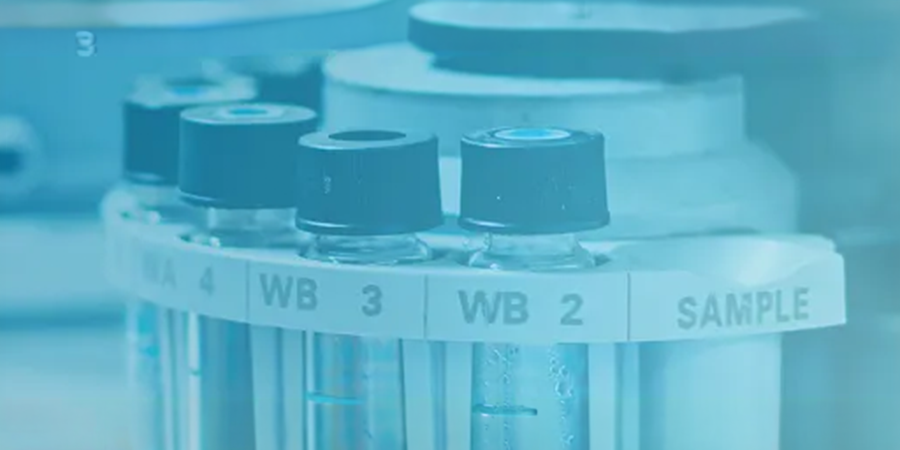
In applications such as cell culture in biology, medicine, pharmacy, immunology, and virology, cell passaging is a routine but time-consuming process. Cells are transferred from a source flask to one or more daughter vessels under controlled conditions.
Manual handling introduces variability and consumes valuable lab time. Automating this process improves reproducibility while freeing personnel for higher-value tasks.
Designing for Limited Installation Space
In many laboratory systems, available installation space is extremely limited—and expensive. Compact motion components are essential.
One solution uses an E2 micro e-chain® in combination with a chainflex® CF98 cable. With a minimum bending radius of 4 × d, this configuration enables reliable power and signal routing in very tight spaces while maintaining cable longevity.
Compact cable management is critical in lab automation, where moving axes must coexist with fluid systems, sensors, and sterile environments.
Hygiene as a Primary Design Driver
In laboratory and medical applications, hygiene requirements often outweigh cost or space considerations.
After each processing cycle, the system must be prepared for the next run through thorough cleaning and sterilization. To support this, fluid handling and mechanical subsystems are clearly separated:
- Fluid circuits are designed for sterilization
- Mechanical components are grease-free and maintenance-free
igus motion plastics are particularly well suited for this environment. Bearings made from iglide® materials operate without external lubrication, eliminating the risk of grease contamination.
Verified Material Performance
iglide materials have been tested in accordance with DIN EN ISO 846, Method A. Under these test conditions, no fungal growth and no material degradation were observed. This confirms their suitability for hygienically sensitive applications.
Because the bearings are grease-free, they also reduce the risk of particle adhesion on functional surfaces—an important factor in controlled laboratory environments.
Solving Wear and Friction Challenges
One design challenge involved guiding a needle to pierce the closure of sample bottles. The required stroke length necessitated a hold-down spring that applied force to the needle guide.
Initial testing revealed increased friction and wear on the guide shaft.
The solution was a split spring incorporating an integrated iglide bearing. This configuration reduced friction and eliminated shaft wear while maintaining the required preload.
For vertical motion of the flask platform, a drylin® T linear guide system was combined with a cam disk drive. This setup provides:
- Low-friction, grease-free linear guidance
- Adjustable motion characteristics
- Compensation for sheet-metal frame tolerances
The result is precise, repeatable motion without the need for grease or ongoing maintenance.
Summary
Designing laboratory instruments requires balancing reliability, hygiene, installation space, and cost efficiency.
By using grease-free motion components such as e-chain systems, chainflex cables, drylin linear guides, and iglide bearings, engineers can:
- Reduce maintenance requirements
- Eliminate grease-related contamination risks
- Optimize use of limited installation space
- Improve long-term system reliability
For lab automation engineers and medical device designers, these solutions support compact, clean, and durable equipment designs—without adding mechanical complexity.