Category: Plastic Bearings
By Zoe Moser In general, efficiency indicates the effectiveness of a device when conversion losses are taken into account. Efficiency, abbreviated with a small eta (η), describes the relation between the delivered power (effective...
By Lars Butenschon You may have seen or heard people use the term “self-lubricating,” “lubricant-free” or “dry-running” to describe plain bearings. But what does it mean? These are bearings that do not require external...
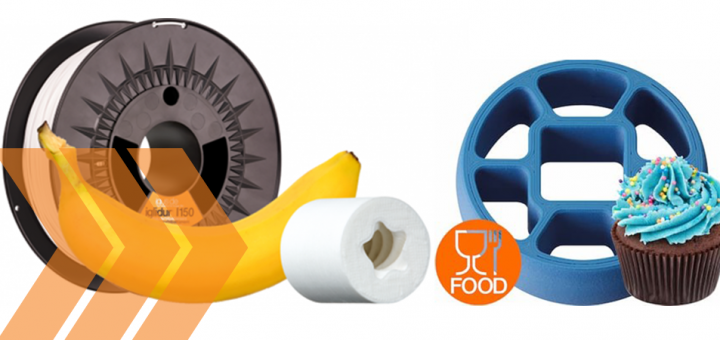
By Maria Burkanova More and more industrial companies are recognizing the benefits of 3D printing or additive manufacturing (the term 3D printing actually only refers to one of the many additive processes, but is colloquially used...
By Lars Butenschon Plastics have become an integral part of our lives and the industries we work in. We are increasingly aware that there is no such thing as one superior plastic material just...
By Erin Kemal Now that we are in the depths of winter, it seems fitting to highlight a few product groups that are designed to function outside. in sub-zero temperatures. Below are a couple...
By Matt Mowry We often talk about how much more cost-effective linear plain bearings are compared to linear ball bearing systems. This is mainly due to the different techniques that are used within the manufacturing process...
By Matt Mowry Some of us understand the difference between a recirculating ball bearing and a linear plain bearing, but you might not be as familiar with how linear plain bearings actually work to...
By Lars Butenschon Surface pressure is one of the most important factors for figuring out the right plain bearing for your application. In this post, I will show you how you can quickly and...
By Lars Butenschon Despite the variety of plastic plain bearing applications – from engine block bearings to mountain bike pedals – they all have one thing in common: their best lubrication is no lubrication...
By Lars Butenschon It’s common knowledge that, together with duct tape, WD-40 is a universal tool that can fix anything. While the former keeps everything in place when things shouldn’t move, the latter keeps...