
igus® Canada Blog & Toolbox
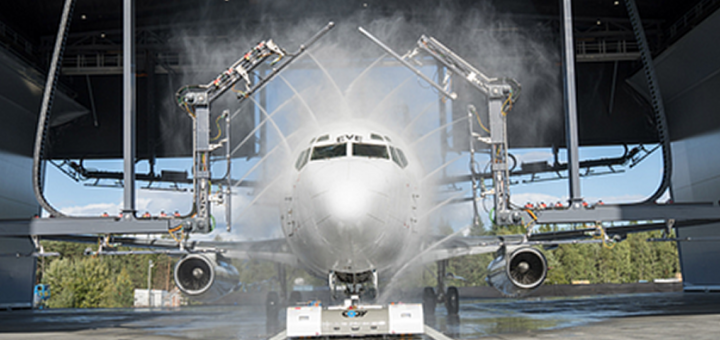
How igus® Products Help De-icing Plane Vehicles
By Florian Schiller Frost, ice and snow collecting on critical surfaces of an aircraft can quickly compromise safety. Any amount of buildup impairs an aircraft’s aerodynamics and in the worst case, can cause stalling...
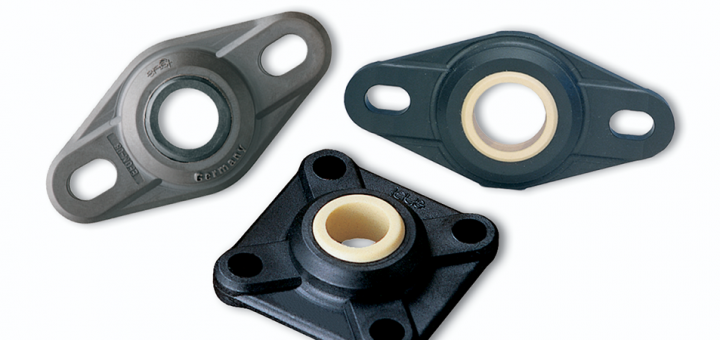
An Introduction to Self-Aligning Plain Bearings
By Shizu Yamaguchi In this article, we will define self-aligning plain bearings, cover how they came to be, go through their material makeup, design, and applications, then conclude with some things to think about...
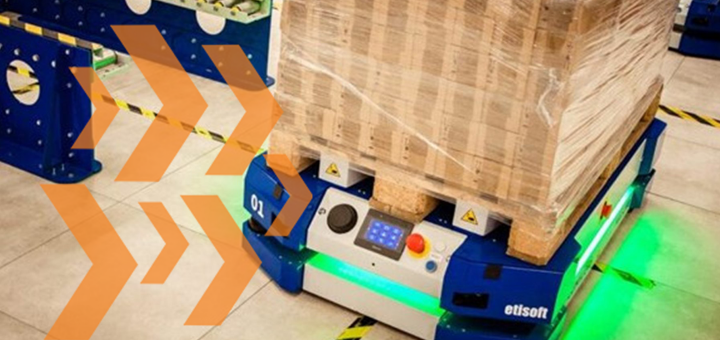
6 Reasons Why igus® Bearings Are the Better Choice for Material Handling Robotics
By Nicole Lang There has been a monumental shift toward material handling or logistics robots (such as AGVs like the one pictured below) to help warehouses run smoothly and efficiently, . However, to ensure...
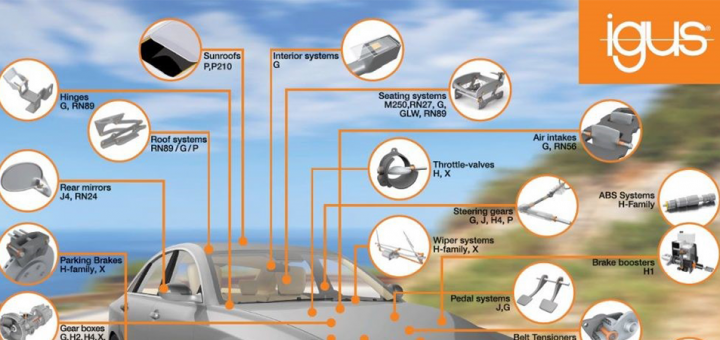
VAVE Optimisation in the Automotive Industry
By Sebastian Bloechl Constantly increasing costs are forcing product development towards innovative alternatives. This is where value engineering (VAVE) comes in. What is VAVE, and how can it be used? VAVE is an effective...
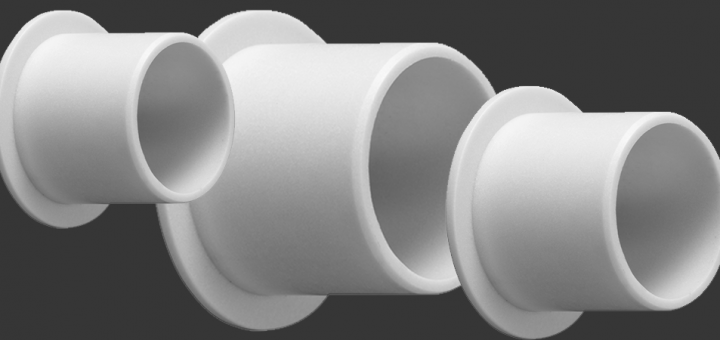
How Do Plastic Bearings Work?
By Shizu Yamaguchi Introduction What do you think of when you hear the word plastic? Cheap water bottles, maybe? Ripped plastic grocery bags? If so, you’re not alone. But what some people don’t realize...

Energy Supply Systems and Cables for Hygienic Applications White Paper
Given the extreme cost of cleanroom environments, even a very small foreign particle can ruin a chip and reduce yield in a cleanroom environment, as well as make the entire production uneconomical. Under these...
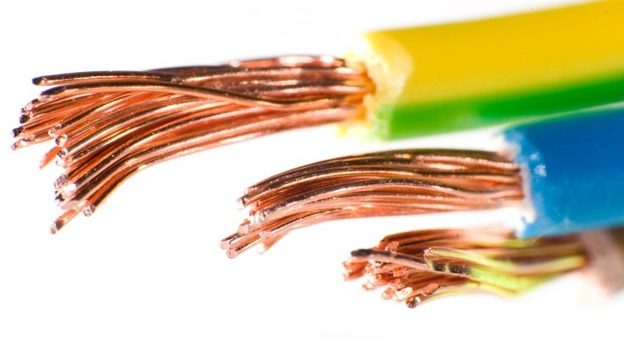
Why are cable conductors made of copper?
By Max Herrmann Have you ever wondered why most cable conductors are made of copper and not another conductive material, like silver, gold or aluminum? And what’s up with gold-plated plugs? Read on to...

Prevent unplanned downtime and machine failures with “smart” plastic bearings
By Richard Habering Plain bearings often have to withstand heavy loads such as abrasive dust, high speeds or chemical loads in extreme environments. Last year, igus® developed an intelligent bearing – i.Sense – with iglide® high-performance...