
Tagged: drylin
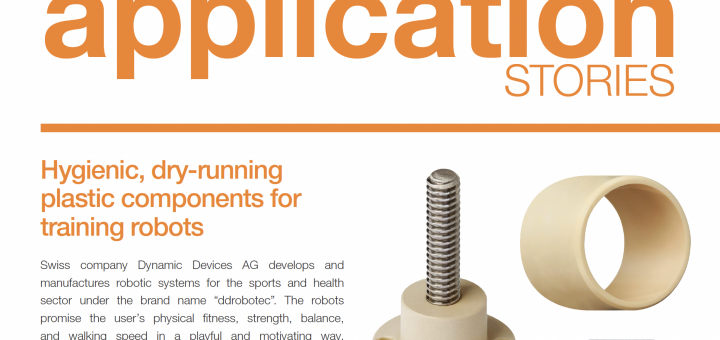
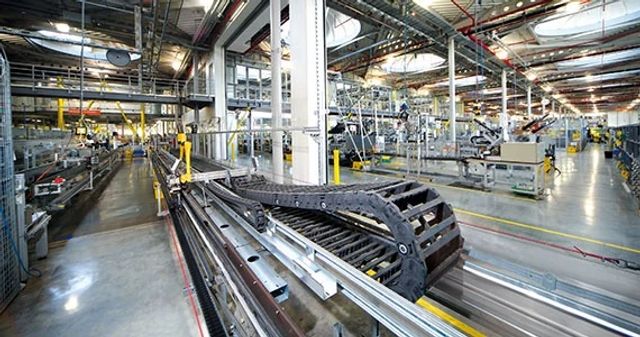

Six advantages of automation for SMEs
Adriana Glazer | June 24, 2021 (Edited by Shizu Yamaguchi) Although robotics and automation offer advantages for customers, employees, and production processes, they are still viewed critically by many SMEs. Entering automation can require...
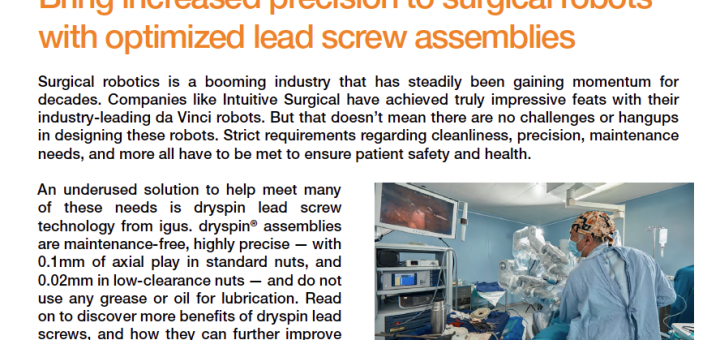
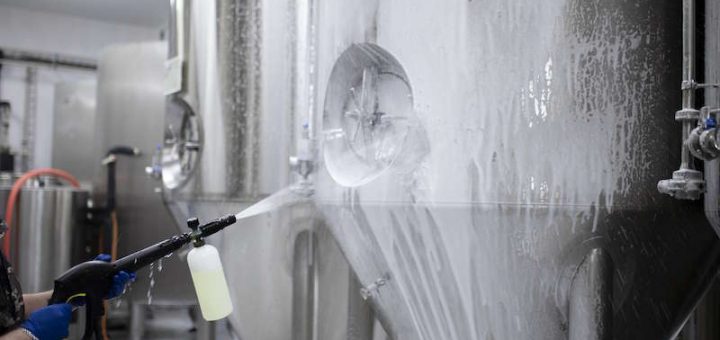
Motion plastics for hygienic washdown design and CIP success
By Jared Worth In food and pharmaceutical production, a machine’s ability to move is only half the battle. To ensure safety and maximize uptime, equipment must be engineered to survive the rigors of hygienic...
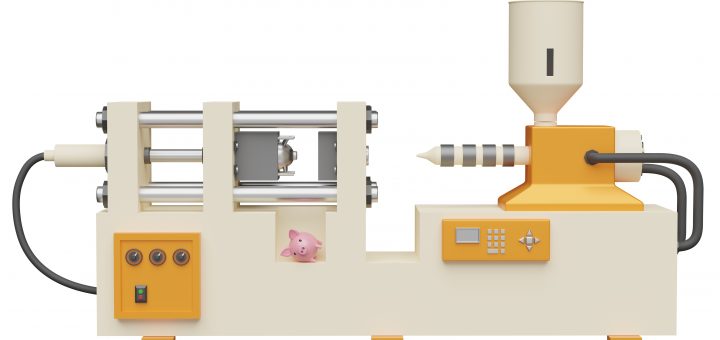
Inside the IAP1 sprue picker: the fast automation upgrade for molding lines
Christian Schäfer | 3. April 2020 (Edited by Shizu Yamaguchi) The IAP1 sprue picker is used across more than 60 injection‑molding machines at igus. It supports cost‑effective automation, more economical production, and it also...

Building Laboratory Instruments: Clean Design. Minimal Installation Space. Lower Costs.
Ulf Hottung | October 8, 2019 (Edited by Shizu Yamaguchi) Developing laboratory equipment starts with a clearly defined set of technical requirements. Whether you are designing a new system or optimizing an existing one,...

Grease‑Free drylin® Linear Guides in Modern Furniture
As part of a machine building course at the Cologne Chamber of Trade, 24 carpentry trainees from the Bergisch Gladbach Vocational College were tasked with designing and producing a small series of furniture pieces...
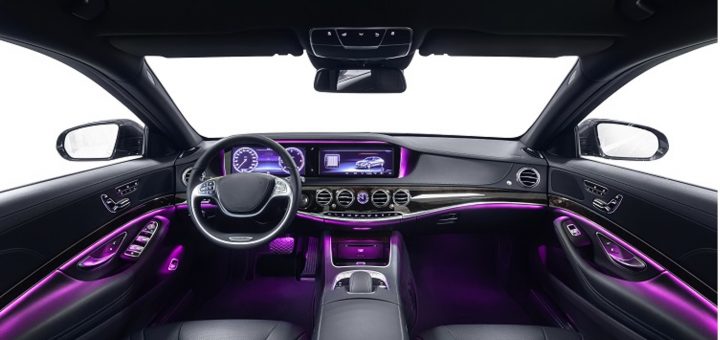
Why system suppliers and OEMs in the auto industry trust igus parts
Dirk Tietz | 11. March 2020 (edited by Shizu Yamaguchi) igus polymers are low‑noise, dry-running, and weigh less than metal bearings. Because of these qualities, more and more OEMs and customers from the automotive...