Plastics in passenger and engine driver seats
By Thorsten Mersch, Edited by Shizu Yamaguchi
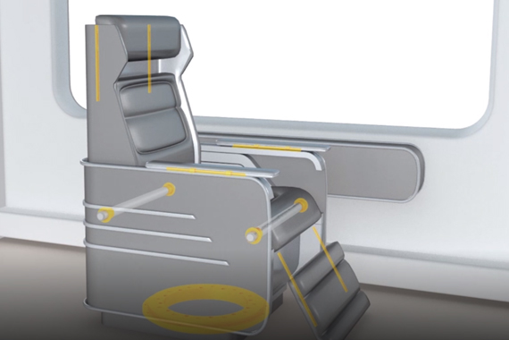
What do folding seats for metros, first-class seats on regional trains, and comfortable engine driver seats have in common? Upon first inspection, one might think it were only the seat and its back. But a more careful consideration reveals that each seat likely has polymer elements.
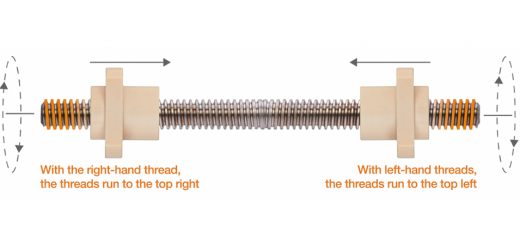
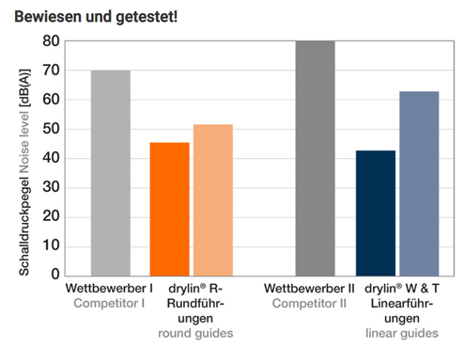
Why polymer? Soft polymer dampens vibrations and absorbs noise better than metallic bearings do. There are also linear guides with polymer sliders that can be used for seat adjustment. Tests have shown that solutions incorporating polymer have one quarter of the noise of ball-guided systems.
In addition to providing a quiet run, polymers also reduce weight. Does that make a difference with just two small plain bearings in each folding chair? Probably not. But there is quite a bit more in modern seats, such as footrest adjustments, glide strips in headrests and folding tables, slip rings for rotating the entire seat, as well as height adjustment. In trains, as in aircraft, every kilogram is precious.