How Is Green Hydrogen Made?
Green hydrogen represents a clean energy source with the potential to play a significant role in reducing global carbon emissions. As sustainability becomes an increasingly important priority, the need to move manufacturing and engineering in a greener direction continues to grow.
To better understand green hydrogen and its benefits, let’s explore how it’s produced and its potential to replace more carbon-intensive energy sources.
The Basics of Green Hydrogen
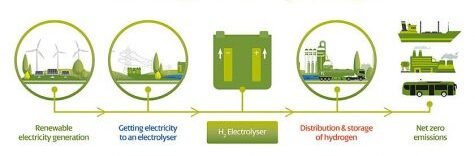
Green hydrogen is produced using renewable energy sources such as wind, solar, or hydroelectric power. The key to its “green” properties lies in the way it is generated. To produce green hydrogen, a process known as electrolysis is used.
Electrolysis involves passing an electric current through water to separate it into its two components: hydrogen and oxygen. When the electricity used in this process comes from renewable sources such as wind, solar, or hydroelectric power, the hydrogen produced is considered green.
Because renewable electricity powers the process, green hydrogen can be produced without generating greenhouse gas emissions.
Although green hydrogen currently accounts for a very small percentage of global hydrogen production, it has significant potential in sectors where reducing emissions remains challenging. Industries such as construction, shipping, and aviation could benefit from green hydrogen as they work toward decarbonization, which is the process of reducing carbon dioxide and other greenhouse gas emissions.
The Role of Renewable Energy
The electricity required for electrolysis can be generated from a variety of renewable energy sources:
- Solar power: Solar panels convert sunlight directly into electricity.
- Wind power: Wind turbines generate electricity by harnessing the kinetic energy of the wind.
- Hydroelectric power: Flowing water is used to generate electricity through turbines.
Renewable energy technologies represent some of the most significant advances in sustainable energy production. Unlike fossil fuels, they provide alternative methods of generating power without relying on finite natural resources.
As technology continues to advance and efforts to combat climate change increase, renewable energy is becoming more important than ever. These technologies support a future where our energy needs can be met while reducing environmental impact.
The Future of Green Hydrogen
While green hydrogen is the more sustainable option, it is currently more expensive to produce than hydrogen generated using fossil fuels. However, ongoing technological advancements and growing investment are helping drive costs down and improve accessibility.
Green hydrogen offers a glimpse into a future where energy demands can be met while reducing environmental impact. As innovation in renewable energy and hydrogen technologies continues, green hydrogen has the potential to become an important tool in achieving net-zero emissions and supporting global sustainability goals.
For a deeper understanding of the topic, explore resources from organizations such as Acciona and the U.S. Department of Energy.
igus®’ Commitment to Sustainable Solutions

As a motion plastics company, the word plastics can sometimes raise concerns about environmental impact. However, as a manufacturer of high-performance polymers, igus® recognizes that these materials can be used to conserve resources and support more sustainable industrial practices.
We have made sustainability a key focus of our business and continue to look for ways to reduce environmental impact through both our products and company initiatives.
Our products are designed to solve common customer challenges across a wide range of industries. Many igus® solutions are engineered for long service life and are self-lubricating, eliminating the need for additional lubricants and reducing maintenance requirements. This helps customers improve efficiency while avoiding the waste and costs associated with frequent component replacement.
In addition, we support a variety of environmental initiatives, including litter cleanups and tree-planting projects. We encourage employees to participate in these efforts, helping maintain and improve the local environment for wildlife, our staff, and neighbouring businesses.
To learn more about our commitment to sustainability, click here or take a look at our blog.